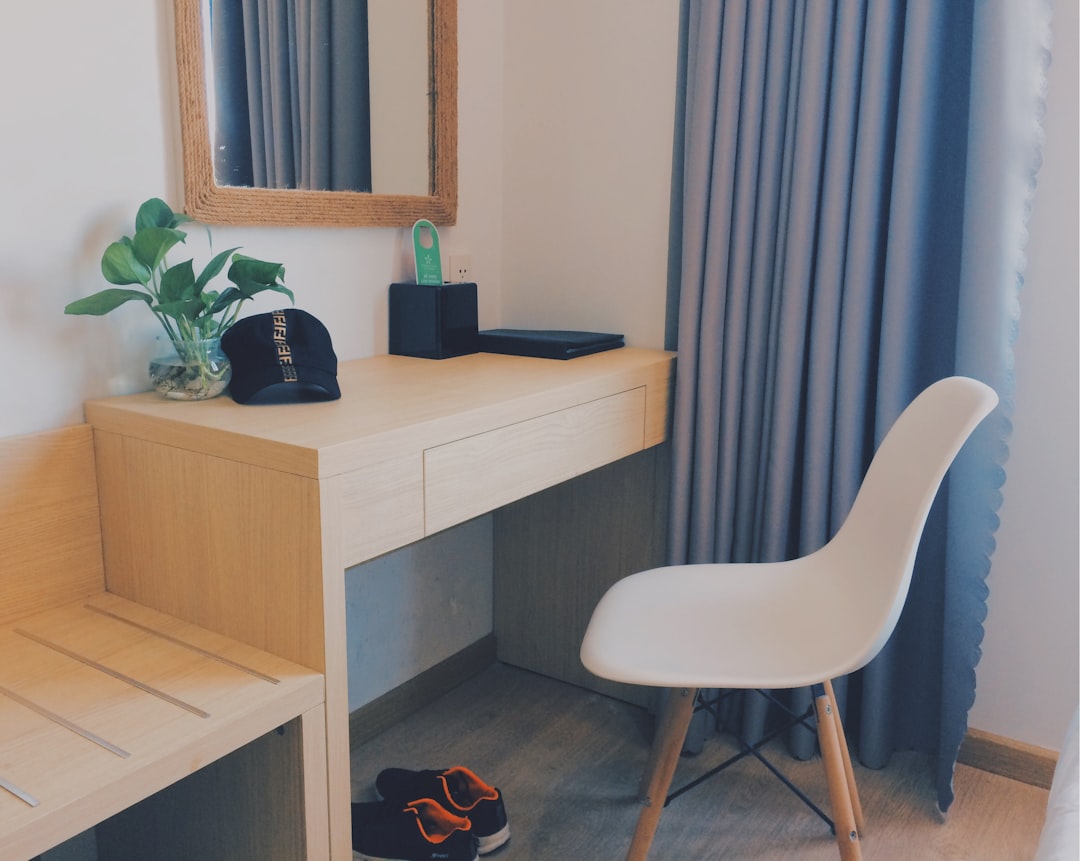
The 55cm square ottoman wedged between a recliner and TV console in a Tampines 4-room flat does triple duty — footrest, spare seat for visiting relatives, and storage for board games that won’t fit in the IKEA Kallax. That’s the sweet spot for HDB living rooms where every centimetre counts.
Ottomans between 40–60cm wide suit most 12–14 sqm layouts, leaving 80cm clearance for walking paths when placed perpendicular to a 2.2m sofa. Go smaller (40–45cm) if you’re flanking a narrow walkway to the balcony; these can slide under console tables when not in use. The 70–80cm range works for corner placements in larger 16 sqm living rooms — particularly near recliners where depth matters more than width.
Measure twice, buy once. An ottoman that’s 10cm too wide forces permanent diagonal placement that eats into walkways; one that’s undersized becomes dead space. Tape newspaper cutouts on your floor to test clearance. Depth matters less than width in most HDB layouts — a 60cm square ottoman fits where a 50×80cm rectangle might block traffic flow near the main door.
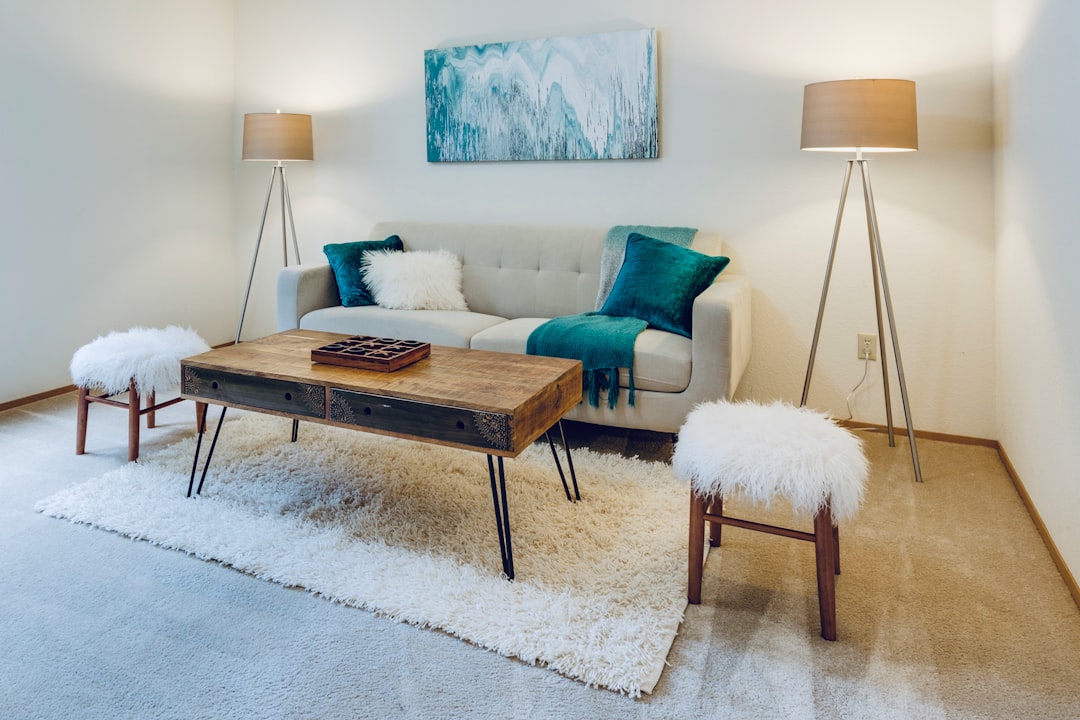
Storage capacity scales with size, but not linearly. An ottoman is one of the most under-rated pieces in a small Singapore living room — extra seating when guests come over, footrest during the daily wind-down, sometimes a coffee-table substitute when the room layout demands flexibility. Megafurniture's Ottoman collection covers footrest, square, lift-top storage, and round designs in fabric, leather, faux leather, velvet, and rattan. Lift-top storage variants typically hold 60–80 litres of contents — useful for blankets, board games, or seasonal items.. A 50cm cube holds about 60L — enough for two folded blankets or a dozen board games — while an 80cm model might take 120L if it sacrifices seat cushion thickness. Prioritise width over height; anything taller than 45cm starts looking like a laundry hamper.
The best ottomans disappear when not needed. Look for low-profile legs (under 15cm) that let it tuck under sofas, and avoid tufted tops if you’ll use it as an impromptu coffee table — they’re magnets for spilled kopi stains.
The ottoman stool sits in the middle ground between footrest and proper seating — taller than a pure footrest, more compact than a chair, easier to move than either. Megafurniture's Ottoman Stool range covers fabric-upholstered, faux-leather, velvet, and natural-fibre designs across heights from 35cm low footrests through 50cm proper stool heights. Most pieces fit comfortably alongside HDB and condominium sofas without crowding tight living rooms..
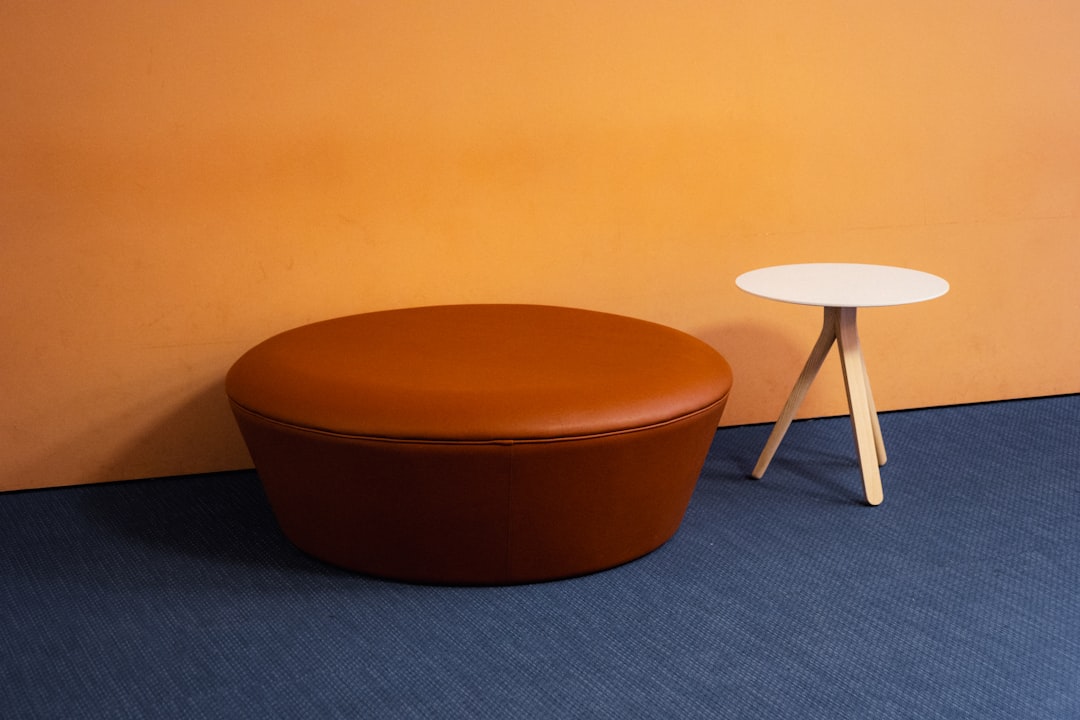
Singapore’s humidity turns untreated wood into a warped, musty mess within months — yet half the ottomans in Eunos flats still use it. Opt for powder-coated metal frames or marine-grade plywood; they’ll outlast the monsoon seasons without developing that telltale damp smell. Polyester blends with Crypton or Sunbrella finishes resist mould better than linen, while faux leather (avoid the PU-coated varieties) wipes clean without trapping moisture in seams.
The best storage ottomans here use silicone-sealed hinges. That cheap magnetic catch might seem fine in a showroom, but after six months of 85% humidity, it’ll stick like overchewed kaya toast. Look for recessed plastic glides instead of felt pads — they won’t absorb condensation from tile floors in Bedok’s ground-floor units.
Treated rattan works surprisingly well if you’re set on natural materials, though it limits you to lighter colourways. Dark espresso finishes show every speck of salt residue from nearby windows. For fabric ottomans in open-air Tampines terraces, Scotchgard-treated canvas beats velvet every time — unless you enjoy brushing off mildew every Deepavali.

Megafurniture’s collection includes a few models with aluminium legs and quick-dry foam cores, though you’ll still want to avoid placing them directly under AC drip lines. Minimalist Armchair . The real test comes during February’s endless drizzle: if the base doesn’t have at least half an inch of clearance, walk away.
Pet hair clings to certain fabrics like velour or chenille, requiring daily vacuuming. Opt for smooth, tightly woven performance fabrics that repel fur — Crypton or Sunbrella work best in humid climates. Darker hues hide stray hairs between cleanings, while lighter shades show every strand. Leather works for cats but dogs' claws risk scratches without regular trimming. A quick wipe-down should restore the surface, not require deep cleaning.
Toddlers and curious pets pry open loose lids, scattering stored items across living rooms. Magnetic or click-lock mechanisms prevent accidents while keeping toys, blankets, or pet supplies accessible. Test the hinge strength — cats perch on opened lids, so flimsy ones collapse under 4kg. Storage compartments should seal completely to block odours from soiled leashes or treat bags. Look for slow-close features to prevent tail injuries when lids drop.
Paws track in everything from litter to rain puddles, leaving grime on contact surfaces. Avoid porous materials like unsealed wood or linen that absorb stains and smells. High-pressure laminate or vinyl-coated fabrics withstand enzymatic cleaners for accident spots. Rounded corners simplify wiping down dribbles compared to intricate tufted details. Spill-resistant finishes matter most around food bowls or litter box areas.
Boisterous dogs or climbing cats can topple lightweight ottomans during play. Weighted bases or non-slip rubber feet prevent slides across marble or polished concrete floors. Position away from ledges where pets might launch off the surface. For households with large breeds, consider models under 45cm tall to lower the center of gravity. Wall-mounted variants eliminate tipping risks entirely in compact spaces.
Built-in ventilation slats or charcoal-lined compartments combat mustiness from damp towels or pet bedding. Removable inner bins allow weekly washing — ideal for storing grooming tools or soiled playthings. Cedar panels naturally repel moths attracted to fur-covered blankets. Mid Century Armchair . Avoid fully enclosed designs that trap heat and amplify smells in Singapore's humidity. Mesh panels maintain airflow while containing smaller items like squeaky toys.
A 10 sqm HDB bedroom fits exactly three things: a queen bed, one nightstand, and the buyer’s regret over that oversized ottoman. The math never lies — a 90cm-wide storage footrest leaves just 60cm clearance at the foot of the bed, turning morning routines into obstacle courses. Yet showrooms keep selling 120cm "compact" models that belong in landed properties, not BTO flats.
Smart buyers measure twice: first the room, then the narrowest doorway along the delivery route. Japandi Armchair . That 55cm-wide Eunos MRT turnstile? It vetoes any ottoman over 50cm depth unless you’re willing to hoist it through service yard windows. Function trumps form when space is tight — a 40cm cube with lift-up storage beats a sprawling tufted piece that can’t slide under coffee tables between uses.
Material choices reveal who’s done their homework. Performance velvet outlasts bouclé when the ottoman doubles as a cat-scratching post, while rubberwood frames survive more knocks than MDF in homes where kids treat furniture like parkour equipment. The best picks hide wear: charcoal grey shows fewer stains than beige, and cross-weave fabrics disguise pulled threads.
Megafurniture’s Joo Seng showroom demonstrates the sweet spot — 45cm ottomans with removable trays that convert from footrests to bedside tables. Their weight matters too; anything over 15kg won’t get moved for impromptu guest seating. That’s the unspoken rule of HDB living: if furniture can’t serve two purposes by breakfast, it’s just clutter in disguise.
The Joo Seng showroom’s Ottoman Zone feels like a storage solutions lab—three rows of identical-looking cubes transform under test flips into rattan toy chests, velvet shoe cabinets, and one particularly stubborn teak blanket box that clicks shut with the finality of a bank vault. Staff keep tape measures clipped to their belts like surgeons’ tools, rattling off dimensions for common HDB pain points: "58-centimetre squares tuck under BTO bay windows; 90-centimetre widths bridge the gap between three-seaters and TV consoles." Test the cushion firmness by sitting cross-legged—the way most Singaporeans actually use ottomans during movie nights or steamboat gatherings. Mid-density foam works for dual-purpose seating, while high-density holds up when kids treat it as a trampoline. Showroom models display the full range of lid mechanisms, from soft-close hydraulics (silent midnight snack access) to old-school flip tops that won’t fail when overloaded with winter quilts. Minimalist armchairs strip the silhouette down to clean structure — slim arms, tapered legs, neutral upholstery — and earn their floor space through proportion rather than visual weight. Megafurniture's 1 Seater Sofa range covers compact accent chairs, mid-size lounge designs, oversized loungers, swivel chairs, and recliners. Most pieces are sized for compact Singapore apartments where furniture earns its space.. Megafurniture’s Tampines outlet arranges ottomans in mock HDB layouts—a 4-room flat’s living area here, a shoebox apartment’s bedroom corner there. You’ll see why 45-centimetre heights align perfectly with most recliner sofas, while 35-centimetre versions slot under study desks as makeshift footrests. The staff’s party trick? Demonstrating how six identical 50cm x 50cm units can be rearranged from coffee table to guest seating to impromptu staircase for changing lightbulbs. Bring your own floor plan, but leave the measuring tape—they’ve memorised every dimension from Punggol BTOs to Jalan Besar walk-ups. Their Ottoman Match service considers ceiling fans (low-profile lids), elderly family members (no sharp corners), and even the dreaded "wet market trolley parking space" dilemma. The
modular collectionsolves what flat planners can’t: storage that moves when life does. One couple was spotted testing weight limits by taking turns sitting inside a jumbo ottoman—proof that showroom visits reveal what online specs sheets never could. The best discoveries happen when you treat the space like your own flat: kick off your shoes, pile on the cushions, and debate whether the taupe or charcoal fabric hides curry stains better.
Delivery fees for ottomans often surprise buyers more than the piece itself—that $80 to $150 islandwide surcharge can push a $350 footrest into "consider it next bonus season" territory. Factor in whether assembly's needed: most local suppliers send pre-assembled units, but oversized models with hydraulic hinges might require two-person setup in tight HDB corridors.
Warranties here follow a split logic—frames typically get 1 to 3 years, while cushions max out at 12 months before flattening into warranty limbo. Always confirm if storage compartments are covered; hinges on lift-top models fail twice as often as static bases in humid climates, yet half the warranties exclude them as "moving parts".
Singaporeans testing ottomans in showrooms tend to open and close compartments exactly three times—enough to feel premium, not enough to spot a hinge that'll squeak by month six. Look for brands listing "all storage mechanisms" in warranty docs; rubberwood frames with tempered steel hardware last longest in east-side flats near marine air.

Mid-range ottomans ($1,200 to $2,400) often bundle free delivery to offset their higher margins—useful when you're hauling a 90cm square model up narrow lifts in older Ang Mo Kio blocks. Just remember: "free" delivery sometimes means weekday-only slots that vanish if you're not home by 2pm.
Storage warranties reveal a lot about build quality. A supplier guaranteeing compartments for three years likely uses thicker plywood dividers and metal-on-metal hinges—the kind that survive kids using them as secret snack vaults. Mid-century armchairs lean on iconic 1950s-1960s silhouettes — egg chairs, wingbacks, straight-line compact accent designs — rendered in modern materials and proportions. Megafurniture's Living Room Furniture collection includes solid wood frames with premium fabric or leather upholsteries, with prices starting at $699. The range pairs particularly well in homes leaning into 1960s-inspired interior schemes or eclectic modern setups.. Anything less suggests particleboard with vinyl wrap, which swells after eighteen months near open windows during monsoon season.
Ottomans that disappear under beds solve two HDB problems at once — storage that doesn’t eat floor space, and a footrest that materialises when guests arrive. The trick is measuring your bed’s clearance: most HDB frames leave 15–20cm, meaning ottomans over 40cm wide should have recessed handles or drop-front openings.
Round designs waste about 18% of storage capacity compared to square ones — fine for storing yoga mats or winter blankets in Singapore’s climate, less so for board games or document boxes. That curved edge does prevent shin bruises in tight walkways though.
Cushioned tops sag fastest when used as makeshift seating. A 50kg adult sitting daily will compress the foam within 18 months; occasional use lasts 3–5 years. Look for dual-density foam cores or reversible cushions — the Somnuz® line uses a firmer base layer that holds shape while keeping the surface plush.
Small-space buyers often ask if ottomans can replace coffee tables. They can, until someone spills teh tarik on the fabric. A tempered glass tray (40x60cm is ideal) turns any square ottoman into a stable surface for mugs and laptops — just lift it off when you need the storage.
The real test comes during CNY visits, when that ottoman gets dragged into service as extra seating. Metal-reinforced corners prevent splitting when uncles lean back; stain-resistant fabrics survive curry puff grease. Storage capacity barely matters then — it’s all about surviving the relatives.
The ottoman that fits perfectly in your Tampines showroom visit might overwhelm a 12 sqm HDB bedroom once you get it home. Measure twice—not just floor space, but clearance for walking paths and existing furniture. That 90cm round storage ottoman looks compact until you realise it blocks the balcony door swing. Singapore’s humidity warps untreated wood frames within months; check for rubberwood or powder-coated metal bases. Lift the lid in person—some storage mechanisms stick when you’ve got winter blankets crammed inside. Megafurniture’s Joo Seng showroom lets you test weight capacity by standing on models (sales staff won’t blink—they’ve seen worse). Prioritise wipeable fabrics like performance velvet if it’s doubling as a coffee table near your kopi station. Darker tones hide stains but show lint; mid-tone greys strike the best balance in flats with kids or shedding pets. The
square ottoman with removable tray topworks harder than most—breakfast surface by day, shoe storage by night. Watch for depth—anything over 50cm becomes a shin hazard in narrow walkways. Yet undersized ottomans look like afterthoughts beside three-seater sofas. Bring your sofa’s fabric swatch to compare textures under showroom lighting; what reads as taupe online often skews green or pink under LED strips.